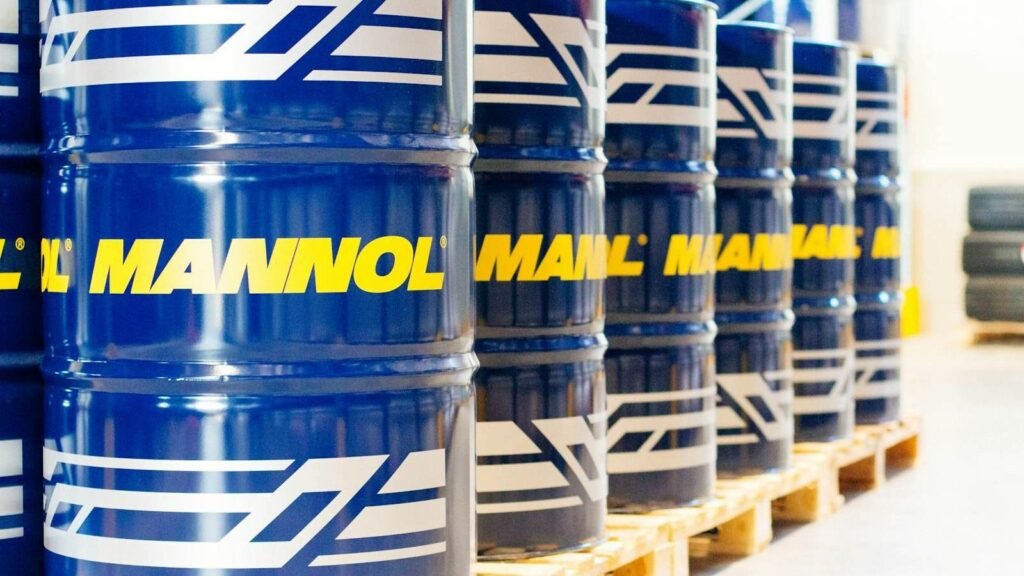
Under the federal Resource Conservation and Recovery Act (RCRA), every business that produces hazardous waste falls into a generator category based on how much it generates in a calendar month. That category decides how long waste can sit on site, how much you can store and which rules apply. Many states have stricter rules, so always check your state program too.
The three federal categories
- Very Small Quantity Generator (VSQG): 100 kg (about 220 lb) or less of hazardous waste per month, and no more than 1 kg of acute hazardous waste.
- Small Quantity Generator (SQG): more than 100 kg but less than 1,000 kg (about 2,200 lb) per month.
- Large Quantity Generator (LQG): 1,000 kg or more per month, or more than 1 kg of acute hazardous waste.
How long you can keep waste on site
- VSQG: no federal time limit, but you may not accumulate more than 1,000 kg on site at any time.
- SQG: up to 180 days (270 days if the nearest treatment facility is more than 200 miles away), and no more than 6,000 kg on site.
- LQG: up to 90 days.
Your status can change month to month
Category is based on what you generate in a given month. A one-time cleanout, an expired chemical inventory or a spill can push a normally small generator into a higher category for that month, with the stricter rules that come with it. EPA’s episodic generation provisions allow some flexibility for planned or unplanned one-time events, with notice requirements.
What every generator should do
- Identify and characterize each waste stream.
- Label containers with “Hazardous Waste” and the hazards.
- Keep containers closed and in good condition.
- Track monthly quantities so you know your category.
- Use a manifest and a permitted facility for shipments, and keep copies.
Counting your waste correctly
Generator status is based on the hazardous waste you generate in a calendar month, counted when it is first generated, not when it is shipped. Common mistakes include counting only what leaves the site, forgetting small streams such as aerosols or lab chemicals, and double counting waste that is moved between containers. Universal waste and used oil that is recycled are generally not counted toward your category. Keep a simple monthly log by waste stream to stay on top of it.
EPA identification numbers
SQGs and LQGs need an EPA identification number, obtained through your state or EPA. VSQGs generally do not need one under federal rules, but some states require it, and many treatment facilities and transporters ask for one anyway. If you have an episodic event that temporarily changes your status, you may need to notify your state and use a number for that shipment.
Additional LQG requirements
Large quantity generators have the most obligations, including a written contingency plan, emergency coordinators, personnel training records, biennial reporting and closure requirements for accumulation areas. If your site regularly crosses into LQG territory, it is worth reviewing whether waste reduction or more frequent pickups could keep you in a lower category.
Frequently asked questions
Does my state follow these exact thresholds?
Most states follow the federal categories, but some are stricter. Check your state program.
Can I move waste between our own sites?
Generally only with a manifest and proper transport. Ask before moving it.
Getting help
If you are not sure which category applies, a short review of your monthly waste streams usually answers it.
Need a hand?
We coordinate pickup and disposal for drums, totes, lab packs, aerosols, batteries and more through licensed haulers and permitted facilities. See hazardous waste services or send us your waste list. This article is general information, not legal advice.
More from the blog
How Scrap Plastic Is Priced: Regrind, Bales, Purgings and Lumps
Why two loads of the same resin can get very different offers, and what you can do to improve yours.
Read more →
What a Certificate of Destruction Should Include (and Why It Matters)
A Certificate of Destruction is your proof that product left the market for good. Here is what a usable one contains.
Read more →
10 Questions to Ask Before You Hire an Industrial Waste Management Partner
A short checklist for operations, EHS and procurement teams choosing a vendor for destruction, recycling, hazardous waste or facility services.
Read more →Have a project in mind?
Tell us what you have and where it is. We reply within one business day.