
Most companies only think about their waste vendor when something goes wrong: a rejected load sitting in the yard, a recall that needs proof of destruction, or an audit asking where last year’s hazardous waste ended up. The right partner prevents those moments. The wrong one creates them.
Whether you need product destruction, plastic recycling, hazardous waste disposal or facility services, these ten questions will tell you quickly who you are dealing with.
1. What documentation do I get at the end?
Ask to see a sample. For destruction you want a Certificate of Destruction listing what was destroyed, how much, the method, the date and the facility. For recycling, a Certificate of Recycling with weights. For hazardous waste, a copy of the signed manifest. If a vendor cannot show you a sample before the job, do not expect a good one after it.
2. Where does the material actually go?
You should know the type of facility handling your material and the state it is in. A serious partner will tell you whether a load goes to a shredding facility, a waste-to-energy plant, a recycler or a permitted treatment facility, and why.
3. What insurance do you carry?
General liability is the minimum. For anything involving chemicals or regulated waste, ask about pollution liability as well, and ask for a certificate of insurance naming your company.
4. Who handles transportation?
Pickup is often the biggest cost on a job. Ask whether the vendor arranges freight, what equipment it uses (box truck, dry van, roll-off) and who is responsible if the truck is delayed or turned away at your dock.
5. How is pricing built?
Good quotes separate pickup and transport from the processing fee, whether that is per pallet, per pound, per drum or per cubic yard. Bundled numbers make it hard to compare vendors and easy to hide surprises.
6. Do you need photos before quoting?
You want a vendor that asks for photos, pallet counts and product descriptions before giving a price. Quoting blind usually means re-quoting later.
7. Can you handle more than one waste stream?
Many facilities generate a mix: expired product, scrap plastic, a few drums of solvent, old fixtures. One partner who can coordinate all of it saves you managing four vendors and four sets of paperwork.
8. What happens if the load is not what was described?
Loads change. A pallet count grows, a drum turns out to be a different chemical. Ask how the vendor handles it, how you are notified and how pricing is adjusted.
9. How fast can you move?
Rejected loads, recalls and store closures do not wait. Ask for realistic lead times for a quote and for a pickup, and what can be done in an emergency.
10. Who is my point of contact?
You want one person who answers email, knows your account and follows the job from quote to certificate. Not a ticket queue.
Red flags when comparing vendors
- A price that is far below everyone else, with no explanation
- No sample certificate or documentation before the job
- Vague answers about where material goes
- No proof of insurance, or reluctance to provide it
- Pressure to commit before you have seen a written quote
- A single phone number and no written process
Any one of these is worth a follow-up question. Several together usually mean the cheap quote will become expensive later, through re-quotes, rejected loads or missing paperwork.
Using the answers
Score each vendor on the same ten questions and keep the answers on file. When an auditor or a manager later asks why you chose a provider, you will have a clear record of the due diligence you did.
How Wasteless Group works
We coordinate destruction, recycling, hazardous waste and facility services nationwide through certified partner facilities and vetted local crews. Every job starts with photos and a written quote that separates transport from processing, and every job ends with documentation you can file. Send us the details and we will reply within one business day.
More from the blog
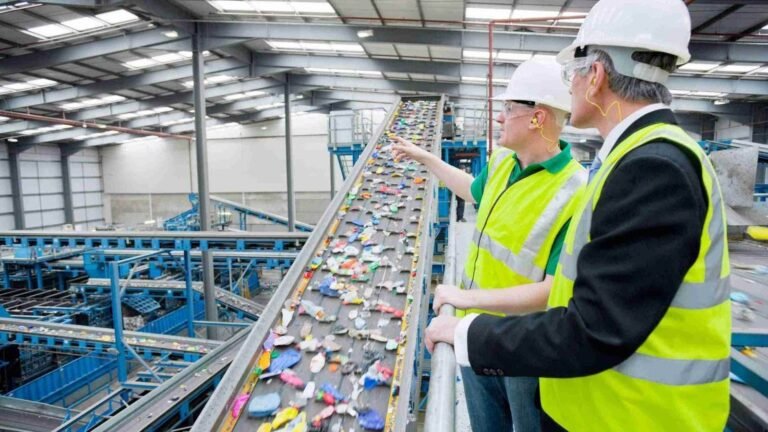
How Scrap Plastic Is Priced: Regrind, Bales, Purgings and Lumps
Why two loads of the same resin can get very different offers, and what you can do to improve yours.
Read more →
What a Certificate of Destruction Should Include (and Why It Matters)
A Certificate of Destruction is your proof that product left the market for good. Here is what a usable one contains.
Read more →Have a project in mind?
Tell us what you have and where it is. We reply within one business day.